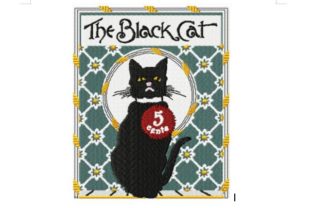
The Black Cat C.May 1896
As a designer and embroidery product reviewer, I’ve seen my fair share of vintage-inspired designs. The Black Cat C.May 1896 stands out not just for its nostalgic appeal but for how it translates into real-world embroidery projects. This machine embroidery design is rooted in a historical aesthetic, making it a compelling choice for those looking to add a touch of old-world charm to their handmade products or commercial work.
A First Impression: Timeless and Intriguing
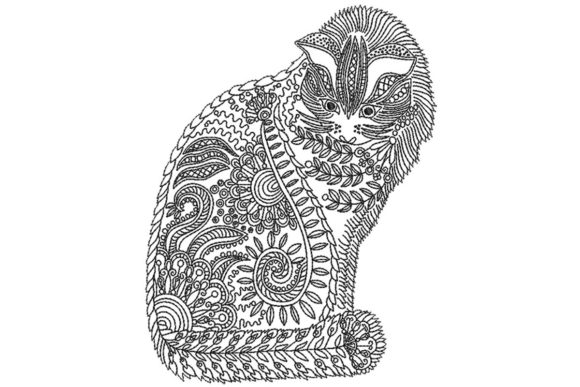
The Black Cat C.May 1896 immediately evokes a sense of mystery and elegance. Its clean lines and detailed features suggest a design that was once featured on a magazine cover, capturing the essence of late 19th-century artistry. The layout is balanced, with the cat’s form centered and slightly stylized, giving it a classic yet modern feel. The level of detail is impressive, especially for a design that likely originated from a historical source.
This design feels most at home on custom apparel, such as a tote bag design or sweatshirt embroidery. It also has potential for baby items, like embroidered patches or nursery decor. The visual personality of The Black Cat C.May 1896 makes it ideal for personalized gifts, holiday embroidery, or boutique merchandise that leans into storytelling through design.
Real-World Performance: What to Expect
When working with The Black Cat C.May 1896, the first thing to consider is the stitch density. The design uses a mix of satin stitch and fill stitch, which means it can be quite dense in certain areas. This can affect how it looks on different fabrics, especially thin or stretchy materials. For best results, test the design on scrap fabric before committing to a project.
For custom apparel like t-shirts or tote bags, the design holds up well, provided you use the correct hoop size. If you’re planning to embroider on a cap or a curved surface, be mindful of how the design wraps around the shape. The details might appear slightly distorted if the hoop size isn’t appropriate or if the stabilizer isn’t properly applied.
On dark fabrics, The Black Cat C.May 1896 may require careful selection of thread colors to ensure visibility. A white or light-colored thread could make the design pop, while a darker thread might blend too much with the background. For baby items, the design works well on soft, breathable fabrics, but again, testing is key to avoid any issues with thread tension or fabric distortion.
Where to Use With Caution
While The Black Cat C.May 1896 is versatile, there are situations where it may not perform as expected. Small hoop sizes can cause the design to be cut off or misaligned, so always confirm the required hoop size before starting. Textured fabrics or thin materials may not hold the stitches as well, leading to a less polished finished product.
Products that undergo frequent washing, such as aprons or kitchen towels, may experience wear on the embroidered areas. The design’s intricate details could fade over time if not properly stabilized. For commercial embroidery projects, it’s essential to check the licensing terms to ensure the design can be used for resale or digital distribution.
If you’re planning to use this design for printable mockups or digital product previews, make sure the file formats are compatible with your software. The Black Cat C.May 1896 comes with multiple embroidery file formats, which is a plus for designers who work across different machines and platforms.
Impact on Visual Appeal and Customer Perception
The Black Cat C.May 1896 adds a unique visual element to any project it’s used in. Its vintage style can elevate a simple tote bag into a statement piece, or turn a basic sweatshirt into a standout item. For small shop products or Etsy listings, this design can help differentiate your offerings from mass-produced alternatives.
When used effectively, The Black Cat C.May 1896 enhances the perceived value of a handmade product. Customers often appreciate the attention to detail and the story behind a design, which can increase trust and engagement. Whether it’s a personalized gift or a commercial item, the design’s clarity and consistency contribute to a professional appearance.
For craft business owners, this design can be a valuable addition to your library of design assets. It’s suitable for both personal and commercial use, as long as the licensing allows for it. When selling finished products or digital files, always double-check the terms to avoid any legal issues.
Practical Designer Notes: Tips for Success
Before using The Black Cat C.May 1896 in a project, I recommend doing a few quick tests. Start by stitching it on a scrap of the fabric you plan to use. This will help you assess how the design looks in real life and whether it needs any adjustments. Check the thread color contrast, especially if you’re working with dark or patterned fabrics.
Inspect the stitch density to ensure it doesn’t create bulk or affect the fabric’s texture. If the design is too dense, consider simplifying parts of it or adjusting the stitch order. Confirm the hoop size needed for the design to avoid any misalignment during the embroidery process.
For applique design or layered garments, make sure the backing material is compatible with the embroidery. Using the right stabilizer is crucial for maintaining the integrity of the design, especially on stretchy or delicate fabrics. Also, test the design in black and white mockups to see how it appears without color, which can be helpful for print-on-demand or digital preview purposes.
Lastly, think about how The Black Cat C.May 1896 fits into your brand’s identity. If your shop focuses on vintage or retro styles, this design could become a staple. If not, consider how it might fit into seasonal or holiday collections, where its mysterious and elegant nature could shine.